
Enhance Your Smile with Dental Bonding
Dental bonding offers a straightforward and effective way to improve the appearance of your teeth. This cosmetic treatment can address minor imperfections, helping you achieve a more confident and natural-looking smile. It’s a gentle approach to enhancing your smile’s aesthetics.
What is Dental Bonding?
Dental bonding is a popular and versatile cosmetic dental procedure that uses a tooth-coloured composite resin material to improve the appearance of your teeth. This durable and aesthetically pleasing material can be carefully sculpted and shaped directly onto your tooth surface. It's an effective way to correct various minor imperfections, blending seamlessly with your natural smile. Many patients choose dental bonding as a straightforward and minimally invasive option to enhance their smile without requiring extensive dental work. The process allows for precise adjustments to achieve a harmonious and natural-looking result.

Who Can Benefit from Dental Bonding?
Dental bonding can be an excellent option for individuals seeking to correct minor cosmetic flaws and improve their smile's overall aesthetics. It is often recommended for patients with small chips or minor cracks in their teeth, which can be easily repaired with the resin. Those who have small gaps between their teeth that they wish to close without orthodontics may also find bonding beneficial. Additionally, bonding can help improve the look of discoloured teeth that have not responded well to professional whitening treatments, or reshape teeth that are uneven, too short, or have an irregular shape. It's a versatile solution for many common cosmetic concerns.

Benefits of Choosing Dental Bonding
Choosing dental bonding offers several distinct advantages for patients looking to enhance their smile.
### Conservative Approach One of the primary benefits is its conservative nature. Dental bonding requires minimal, if any, removal of healthy tooth structure, making it a very gentle and reversible cosmetic treatment compared to options like veneers or crowns. This means more of your natural tooth remains intact.
### Quick Results In most cases, the entire dental bonding procedure can be completed in a single visit to our Brantford office. This allows for immediate improvements to your smile, making it a convenient option for those with busy schedules. You can walk out with a noticeably enhanced smile on the same day.
### Cost-Effective Compared to other cosmetic options like porcelain veneers or crowns, dental bonding is often a more affordable solution for addressing minor smile imperfections. This makes cosmetic enhancements more accessible to a wider range of patients.
### Natural Appearance The composite resin used in bonding is available in various shades, allowing your dentist to carefully match it to the colour of your natural teeth. This ensures the bonded area blends seamlessly and provides a very natural-looking result, often indistinguishable from your surrounding teeth.

The Dental Bonding Process
Understanding the steps involved in dental bonding can help you feel more prepared and comfortable during your appointment.
### Preparation First, your dentist will select a composite resin shade that closely matches your natural teeth, ensuring a harmonious blend. In many cases, little to no tooth preparation is needed, preserving your natural tooth structure. Sometimes, a very thin layer of enamel may be gently removed to help the bonding material adhere better or to reshape the tooth slightly.
### Application A conditioning liquid is then applied to the tooth surface. This liquid creates a slightly roughened texture, which helps the bonding material adhere securely. The tooth-coloured resin, which has a putty-like consistency, is then applied, carefully moulded, and smoothed to the desired shape by your dentist.
### Curing Once the resin is perfectly shaped, a special light, typically a blue LED light, is used to harden the material quickly. This light activates a chemical reaction within the resin, bonding it securely to your tooth's surface in a matter of seconds.
### Finishing Finally, your dentist will meticulously trim, shape, and polish the bonded material. This step is crucial to ensure it blends naturally with your other teeth, feels comfortable in your bite, and achieves a smooth, aesthetic finish. The goal is a result that looks and feels like a natural part of your smile.
Bonding vs. Other Cosmetic Treatments
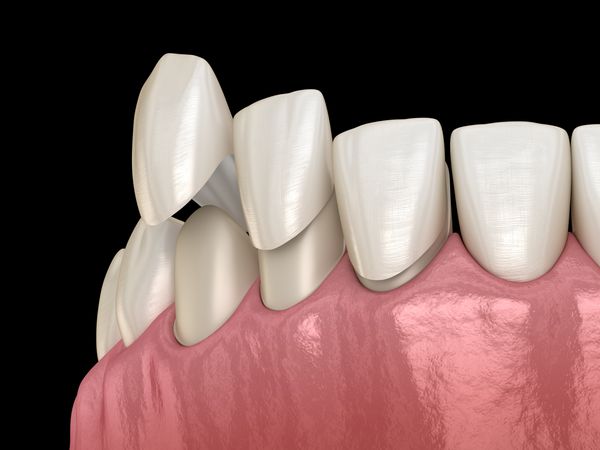
When considering cosmetic dental treatments, it's helpful to understand how dental bonding compares to other options like porcelain veneers. Both can dramatically improve your smile, but they have distinct differences.
Dental bonding is a more conservative and often less expensive option, typically completed in one visit. It's ideal for minor corrections and can be easily repaired if chipped. However, the composite resin used in bonding is generally less durable and more susceptible to staining over time compared to porcelain.
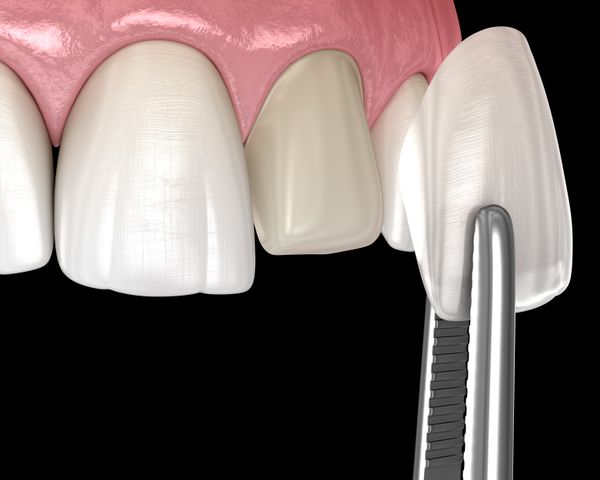
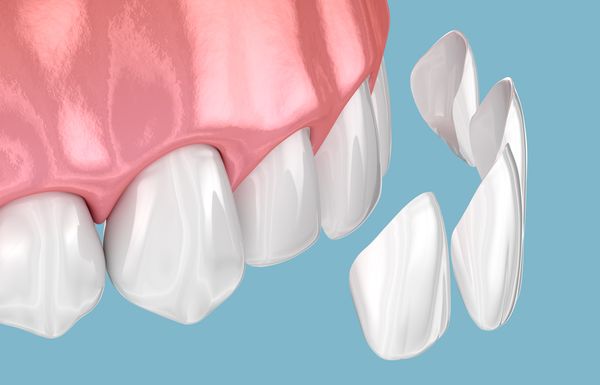
Porcelain veneers, on the other hand, are custom-fabricated in a dental lab from strong, stain-resistant porcelain. They offer superior durability, a highly aesthetic appearance, and excellent resistance to discolouration. However, veneers usually require more tooth preparation, are a more significant investment, and typically involve multiple appointments. Your dentist at Brant Smiles Family Dentistry can discuss which option best suits your specific needs, aesthetic goals, and budget during a personalized consultation.
Caring for Your Bonded Teeth
Proper care for your bonded teeth is essential to maintain their appearance and prolong their durability.
### Daily Oral Hygiene Maintain a consistent and thorough oral hygiene routine, which includes brushing your teeth twice daily with a non-abrasive toothpaste and flossing once a day. This helps prevent plaque buildup and keeps your bonded teeth looking their best.
### Avoid Staining and Damage To help prevent staining and chipping, it's wise to limit consumption of highly pigmented foods and drinks such as coffee, tea, red wine, and berries. If you do consume them, rinsing your mouth with water afterward can help. Also, avoid habits like biting on hard objects (e.g., ice, hard candies, pen caps) or using your teeth to open packages, as these can chip or damage the bonding material.
### Regular Dental Visits Regular dental check-ups and professional cleanings at Brant Smiles Family Dentistry are crucial. Your dentist can monitor the condition of your bonding, perform any necessary touch-ups, and provide personalized advice on maintaining your oral health and the longevity of your dental bonding. With diligent care, your dental bonding can provide a beautiful enhancement to your smile for many years.
Frequently Asked Questions
How long does dental bonding last?
With proper care and good oral hygiene, dental bonding can typically last for several years. Its lifespan depends on factors like your eating habits, the location of the bonding, and how well you maintain your oral health. Regular dental check-ups help ensure its longevity.
Is the dental bonding procedure painful?
Dental bonding is generally a comfortable procedure. In most cases, it requires little to no removal of tooth enamel, so local anesthetic is often not needed. You should not experience significant pain during the process, and many patients find it quite tolerable.
Can bonded teeth stain?
The composite resin material used in dental bonding is more porous than natural tooth enamel, making it somewhat susceptible to staining over time. To help minimize discolouration, it's wise to limit consumption of highly pigmented foods and drinks such as coffee, tea, and red wine. Regular brushing also helps.
How do I care for my bonded teeth?
To care for your bonded teeth, maintain a consistent oral hygiene routine of brushing twice daily and flossing once a day. Regular dental check-ups and cleanings are also important. Avoid biting on hard objects or using your teeth to open packages, as this can chip or damage the bonding material. Your dentist can provide specific care instructions.