
Scaling and Root Planing
Scaling and root planing is a gentle, non-surgical deep cleaning procedure designed to help treat gum disease. It works to remove harmful bacteria and plaque from below your gumline, helping to restore your gum health. Our team at Brant Smiles Family Dentistry is here to support you through this process with comfort and care.
Understanding Scaling and Root Planing
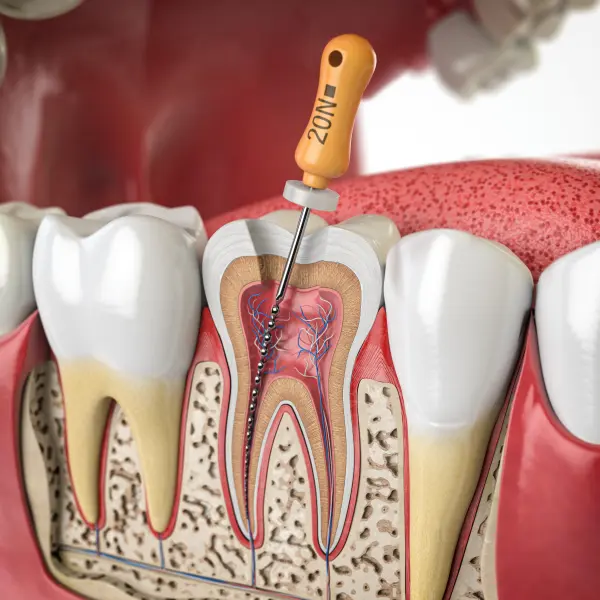
Scaling and root planing is a specialized deep cleaning procedure for your gums and teeth. It is a two-part treatment designed to address the early stages of gum disease. This process carefully cleans the areas between your gums and teeth, reaching down to the roots.
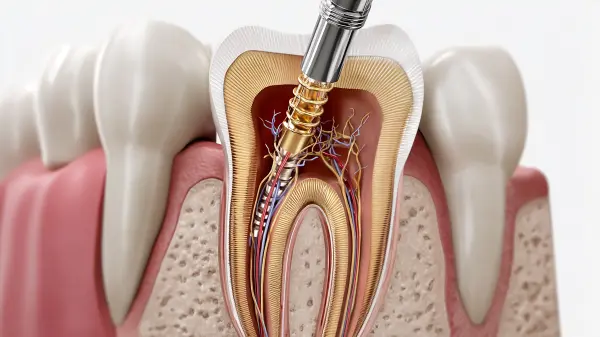
During the scaling step, we gently remove plaque and tartar buildup from both above and below your gumline. The root planing step then smooths the surfaces of your tooth roots. This helps remove any remaining bacteria and makes it harder for new plaque to attach, promoting healthier gum reattachment.
How It Differs From a Routine Dental Cleaning
Many people are familiar with routine dental cleanings, which are important for maintaining overall oral health. These regular cleanings primarily focus on removing plaque and tartar from the visible surfaces of your teeth, above the gumline. They are a preventative measure for healthy gums.
Scaling and root planing, however, is a therapeutic procedure specifically for active gum disease. It targets areas below the gumline where bacteria have accumulated and caused inflammation. This deep cleaning aims to stop the progression of gum disease and help your gums heal.
Who May Benefit From This Treatment
Your dentist may recommend scaling and root planing if you show signs of gum disease, also known as periodontitis. Common indicators include gums that are inflamed, red, or bleed easily, especially when brushing or flossing. You might also notice persistent bad breath or a bad taste in your mouth.
During your dental exam, we look for deep periodontal pockets, which are spaces that form between your teeth and gums when gum disease is present. Significant tartar buildup below the gumline is another sign that this deep cleaning procedure could be beneficial. Addressing these issues early can help prevent more serious gum problems.
The Scaling and Root Planing Process
Your journey to healthier gums begins with a thorough assessment of your gum health. Our team will examine your gums and measure the depth of any periodontal pockets to determine the extent of gum disease. This helps us create a personalized treatment plan for you.
To ensure your comfort during the procedure, we will typically apply a local anesthetic to numb the areas being treated. This helps make the deep cleaning process as comfortable as possible. You should feel relaxed throughout your visit.
The procedure itself involves two main steps. First, scaling removes plaque and tartar from the tooth surfaces and below the gumline. Then, root planing smooths the root surfaces, which helps remove bacteria and allows your gums to reattach more firmly to your teeth. We often treat one section of your mouth at a time to ensure thoroughness and comfort.
Your Comfort During Treatment
We understand that dental procedures can sometimes cause anxiety, and your comfort is our priority at Brant Smiles Family Dentistry. Before beginning scaling and root planing, we will ensure the area is thoroughly numbed with a local anesthetic. This helps minimize any discomfort you might feel during the deep cleaning.
Our team works with a gentle touch and will check in with you regularly throughout the procedure. Please do not hesitate to let us know if you feel any discomfort or have any questions. We are here to make your experience as relaxed and positive as possible.
Aftercare and Maintaining Gum Health
After your scaling and root planing procedure, it is normal to experience some temporary sensitivity or mild tenderness in your gums for a few days. We will provide you with specific aftercare instructions to help manage any discomfort and promote healing. Following these guidelines is an important part of your recovery.
Maintaining excellent oral hygiene at home is crucial for long-term gum health. This includes regular brushing, flossing, and using any recommended mouth rinses. We will also schedule follow-up appointments to monitor your gum health and ensure the treatment has been successful. Consistent care helps prevent the return of gum disease.
Frequently Asked Questions
Is scaling and root planing painful?
We use local anesthetic to numb the treatment area, which helps ensure your comfort during the procedure. You may experience some mild sensitivity afterward, which typically resolves quickly.
How long does the procedure take?
The duration of scaling and root planing depends on the extent of gum disease. It is often completed over one or more appointments, focusing on different sections of your mouth.
What should I do after the treatment?
We will provide detailed aftercare instructions. Generally, you should maintain good oral hygiene, avoid very hot or cold foods for a short period, and attend all follow-up appointments.
Will my gums bleed after scaling and root planing?
It is common to experience some light bleeding or tenderness in your gums for a day or two after the procedure. This is a normal part of the healing process.
How often will I need this treatment?
The frequency of scaling and root planing depends on your individual gum health and the progression of gum disease. We will recommend a personalized maintenance schedule for you.