
Root Canal Treatment
A root canal is a straightforward procedure that can save your natural tooth and relieve the pain caused by a deep cavity or cracked tooth. Learn more about how we can help restore your tooth’s health and your comfort.
What Is a Root Canal?
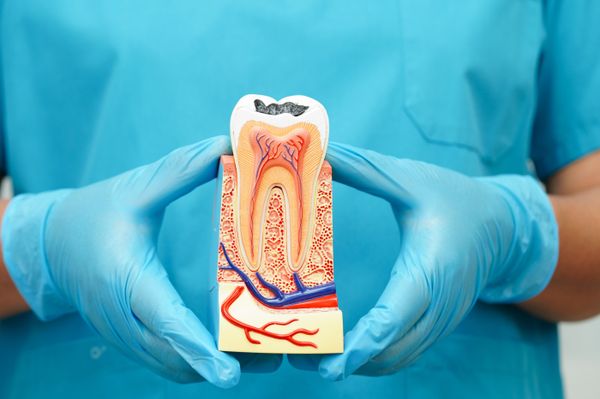
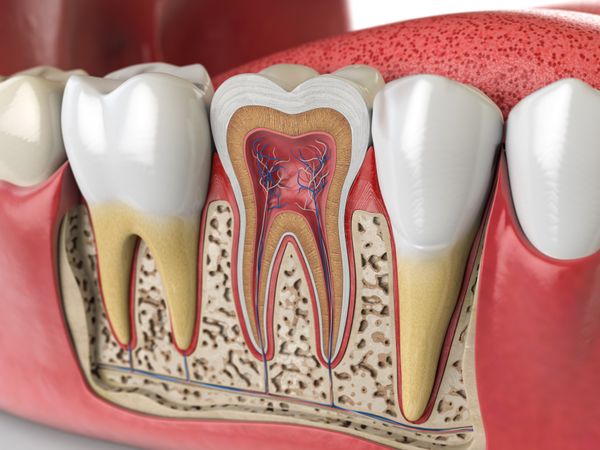
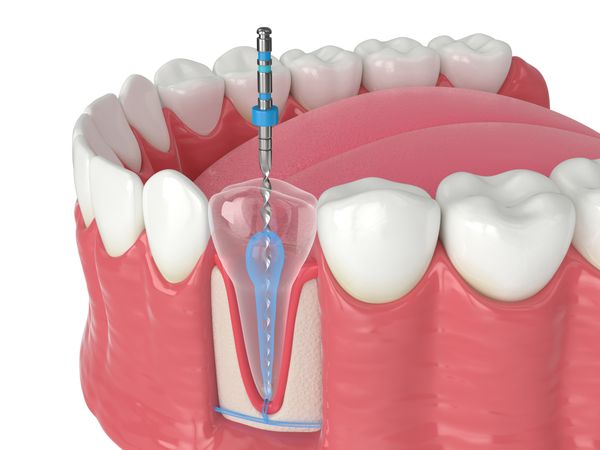
A root canal, also known as endodontic treatment, is a common dental procedure designed to treat infection or damage deep inside your tooth. Inside each tooth is a soft pulp, which contains nerves and blood vessels. When this pulp becomes infected or inflamed due to a deep cavity, crack, or injury, it can cause significant pain and lead to serious dental issues if left untreated. During a root canal, our dentists carefully remove the infected or damaged pulp, clean and disinfect the inner chamber of the tooth, and then seal it to prevent further infection. This process helps to save your natural tooth from needing an extraction.
Benefits of Root Canal Therapy
Choosing root canal therapy offers several important benefits for your oral health. The primary advantage is effective relief from the severe tooth pain often caused by an infected tooth. By treating the infection, a root canal allows you to keep your natural tooth, which is always the best option for maintaining your bite and jaw structure. Preserving your natural tooth helps you continue to chew and speak normally, avoiding the need for a dental implant or bridge. This treatment can restore your tooth's health and function, allowing you to enjoy everyday activities without discomfort.

Signs You May Need a Root Canal
It is important to pay attention to your body for signs that might indicate a need for a root canal. Common symptoms include a severe, persistent toothache that may worsen when you chew or apply pressure. You might also experience prolonged sensitivity to hot or cold temperatures, even after the source of the temperature is removed. Other indicators can be swollen, tender gums around the affected tooth, or a small, pimple-like bump on the gums. Sometimes, a tooth may also darken or become discolored. If you notice any of these symptoms, it is important to schedule a dental assessment with our team at Brant Smiles Family Dentistry for a proper diagnosis.
The Root Canal Procedure: What to Expect
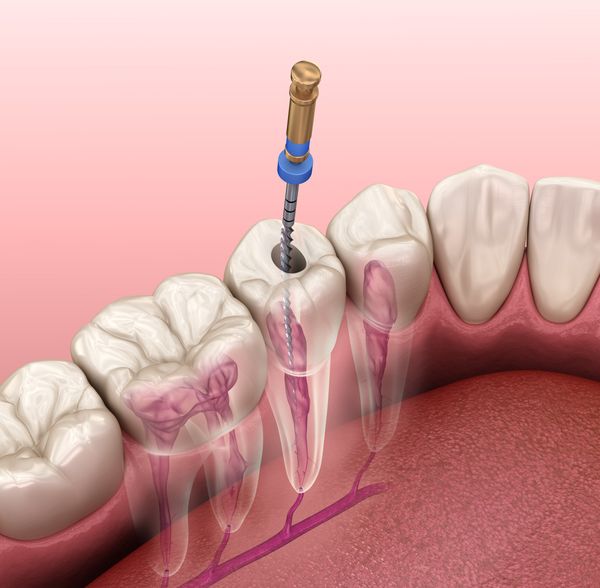
Understanding the steps involved in a root canal can help ease any concerns you may have, starting with an initial consultation and X-ray to assess the infection and plan your treatment. Before starting, we will apply a local anesthetic to numb the area around your tooth, ensuring you feel comfortable throughout. Our dentist will then create a small opening to access the infected pulp, which is carefully removed. The inside of the tooth's root canals are thoroughly cleaned, shaped, disinfected, filled with a biocompatible material, and then sealed. In most cases, a crown or other restoration will be placed on the tooth during a follow-up visit to protect it and restore its full function.
Your Comfort Is Our Priority
We understand that the idea of a root canal can sometimes cause apprehension, but we want to assure you that your comfort is our top priority at Brant Smiles Family Dentistry. Modern root canal treatments are performed with highly effective local anesthesia, which means the procedure itself is typically no more uncomfortable than getting a filling. In fact, the main goal of a root canal is to relieve the significant pain caused by the infection, not to create more. Our team takes great care to ensure you feel relaxed and at ease throughout your visit, and we are always here to answer any questions you have.
After Your Root Canal Treatment
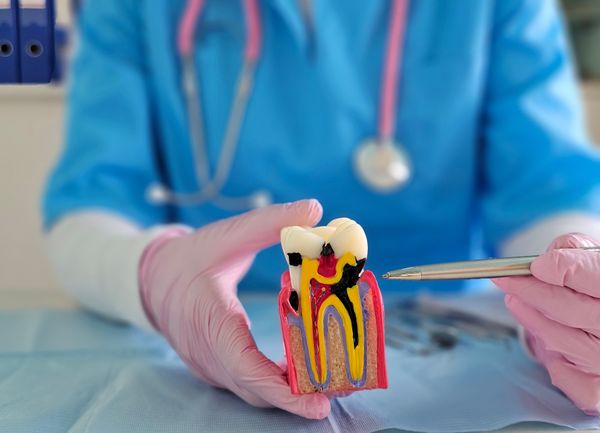
After your root canal treatment, it is normal to experience some mild sensitivity or discomfort for a few days, especially when chewing. This can usually be managed with over-the-counter pain medication. It is important to avoid chewing on the treated tooth until it has been fully restored with a permanent crown or filling, as it may be vulnerable to fracture. We will provide you with specific aftercare instructions tailored to your situation to ensure a smooth recovery. Following these guidelines and maintaining good oral hygiene will help protect your newly treated tooth for years to come.
Frequently Asked Questions
Is a root canal painful?
Many people worry about pain during a root canal, but with modern local anesthesia, the procedure is typically comfortable. Our main goal is to relieve the pain caused by the infection, not to create more. You should feel at ease throughout your treatment at Brant Smiles Family Dentistry.
How long does a root canal take?
The duration of a root canal can vary depending on the complexity of the tooth and the infection. Generally, a root canal can be completed in one or two appointments, each lasting between 60 to 90 minutes. Our team will provide you with a clear estimate during your initial consultation.
What happens if I don't get a root canal?
If an infected tooth is left untreated, the infection can spread, leading to more severe pain, swelling, and even bone loss around the tooth. Eventually, the tooth may need to be extracted, which can lead to further complications for your oral health. A root canal helps prevent these issues by treating the infection early.
How long will my treated tooth last?
With proper care and a good final restoration, such as a crown, a tooth treated with a root canal can last a lifetime. Maintaining good oral hygiene, including regular brushing, flossing, and dental check-ups, is essential for the long-term success of your root canal.
Will I need a crown after a root canal?
In most cases, yes, a crown is highly recommended after a root canal. A treated tooth can become more brittle, and a crown provides essential protection, preventing fractures and restoring the tooth's full strength and function. Our dentists will discuss the best restorative option for your specific tooth.