
Gum Grafting: Restoring Healthy Gums in Brantford
Gum grafting is a dental procedure designed to treat receding gums. When gums recede, they expose the roots of your teeth, which can lead to sensitivity and other concerns. At Brant Smiles Family Dentistry, we offer gum grafting to help restore your gum line, protect your teeth, and improve the overall health and appearance of your smile.
What Is Gum Grafting?
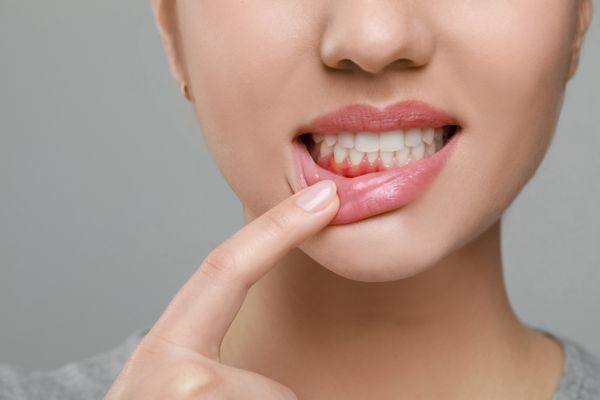
Gum grafting is a common dental procedure used to correct gum recession. This happens when the gum tissue around your teeth pulls back, exposing more of the tooth, or even the tooth root. Exposed roots can lead to increased sensitivity, decay, and an altered smile appearance.
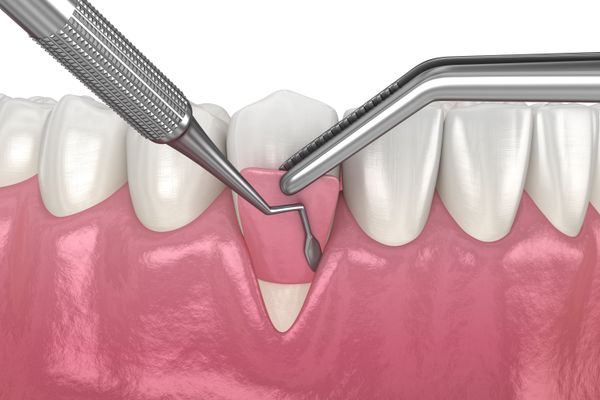
During a gum graft, a small amount of healthy gum tissue is taken from another area of your mouth, often the roof, or from a donor source. This tissue is then carefully placed over the exposed root surface. The main goal is to cover these exposed areas, protect your teeth from further damage, and help stop the recession from getting worse.
Why You Might Need a Gum Graft
Gum recession can affect anyone, and it often develops slowly over time. You might notice your gums pulling away from your teeth, making your teeth look longer than before. This can also lead to increased tooth sensitivity, especially to hot or cold foods and drinks.
Other signs include discomfort when brushing, or a notch forming near the gum line. Beyond the physical symptoms, some patients are concerned about the way receding gums affect their smile. If you are experiencing any of these issues, our team can assess your gum health and discuss if gum grafting is a suitable option for you.
Types of Gum Grafts
There are a few different approaches to gum grafting, and the best option for you depends on your specific needs. Each type aims to cover exposed roots and improve gum health.
- Connective-Tissue Grafts: This is the most common method. A small piece of tissue is taken from under the surface layer of the roof of your mouth and then attached to the area needing treatment.
- Free Gingival Grafts: Similar to connective-tissue grafts, but a small amount of tissue is taken directly from the surface of the roof of your mouth. This is often used when more gum tissue is needed.
- Pedicle Grafts: This method uses gum tissue from an area right next to the tooth needing repair. The tissue is partially cut and then rotated over to cover the exposed root, keeping one edge attached for blood supply.

The Gum Grafting Process
Your journey to healthier gums begins with a thorough consultation at Brant Smiles Family Dentistry. We will examine your mouth, discuss your concerns, and determine if gum grafting is the right treatment for you. We will also explain the specific grafting technique recommended.
On the day of your procedure, we will ensure you are comfortable. The area will be numbed with local anesthesia. The chosen gum tissue will be carefully placed and secured over the receding area. After the procedure, we will provide detailed aftercare instructions to support your healing. We are here to answer any questions you have at every step.
Your Comfort and Safety
At Brant Smiles Family Dentistry, your comfort and safety are our top priorities during any procedure, including gum grafting. We use local anesthesia to ensure the treatment area is completely numb, so you won't feel pain during the graft.
For patients who may feel anxious, we can discuss sedation options to help you relax throughout your visit. Our team follows strict sterilization and safety protocols to maintain a clean and secure environment. We want you to feel at ease and confident in the care you receive with us.

Recovery and Aftercare
After your gum grafting procedure, it is normal to experience some mild discomfort and swelling. We will provide you with specific aftercare instructions to help manage these symptoms and promote proper healing.
Generally, we recommend a soft diet for the first few days and careful oral hygiene around the treated area. You will receive guidance on pain management and when to resume normal activities. Follow-up appointments will be scheduled to monitor your healing and ensure the best possible outcome. Always remember that personalized instructions from your dentist are key to a smooth recovery.
Frequently Asked Questions
Is gum grafting painful?
During the gum grafting procedure, local anesthesia is used to numb the area, so you should not feel any pain. After the procedure, it is normal to experience some mild discomfort, which can typically be managed with over-the-counter pain relievers or prescribed medication. We will discuss pain management with you to ensure your comfort during recovery.
How long does recovery take?
The initial healing period after a gum graft usually takes about one to two weeks. During this time, you will need to follow specific aftercare instructions regarding diet and oral hygiene. Complete healing of the gum tissue can take several weeks to a few months. Your dentist will monitor your progress during follow-up appointments.
What is the cost of gum grafting?
The cost of gum grafting can vary depending on the type of graft, the number of teeth being treated, and individual patient needs. We will provide a detailed treatment plan and discuss all associated costs during your consultation. Our team can also help you understand your dental insurance benefits.
How successful are gum grafts?
Gum grafting procedures have a high success rate in covering exposed tooth roots and preventing further gum recession. The success of the graft depends on several factors, including your overall health, oral hygiene practices, and following post-operative instructions. Your dentist will discuss the expected outcomes for your specific situation.