
Gentle Tooth Extractions in Brantford
At Brant Smiles Family Dentistry, we understand that the idea of a tooth extraction can feel concerning. Our team is here to provide a calm and supportive experience. We prioritize your comfort and ensure you receive the gentle care you need throughout the entire process. Our goal is to make this procedure as stress-free as possible for you.
Understanding Tooth Extractions
A tooth extraction involves carefully removing a tooth from its socket in your jawbone. This is a common dental procedure that becomes necessary when a tooth cannot be saved through other treatments, such as fillings or root canals. The main goal of an extraction is to protect your overall oral health and prevent further complications from spreading to other teeth or affecting your general well-being. We always explore all possible options to save a natural tooth before recommending an extraction.

When Is an Extraction Necessary?
While we always aim to preserve your natural teeth, there are times when an extraction is the best option for your oral health. Common reasons include severe tooth decay that has damaged the tooth beyond repair, or advanced gum disease that has loosened a tooth significantly, making it unstable. A tooth might also need to be removed if it is badly fractured below the gum line, causing overcrowding that affects your bite or the alignment of other teeth, or if wisdom teeth are impacted and causing pain, infection, or other problems. Your dentist will always perform a thorough evaluation, including detailed X-rays, to determine the most suitable course of action for your specific situation and discuss all available choices with you.

Types of Tooth Extractions
Tooth extractions generally fall into two main categories, depending on the tooth's position and condition. A simple extraction is performed on a tooth that is fully visible above the gum line and can be removed with specialized instruments. On the other hand, a surgical extraction may be necessary for teeth that are broken off at the gum line, or for impacted teeth, such as wisdom teeth, that have not fully emerged from the bone or gum tissue. Your dentist will explain which type of extraction is appropriate for your needs and what to expect during the procedure.
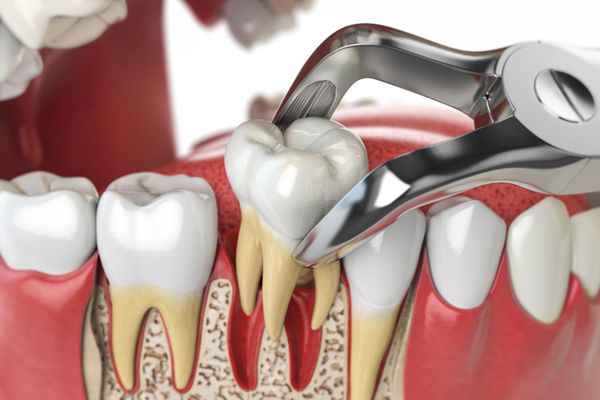
The Tooth Extraction Process
If an extraction is needed, your journey with us begins with a comprehensive consultation. This includes taking detailed X-rays to assess the tooth's position, root structure, and surrounding bone. We will then discuss the procedure with you in detail, ensuring you understand each step. This includes explaining options for local anesthetic to completely numb the area and any available sedation dentistry choices to help you feel relaxed and comfortable throughout your visit. During the extraction, our team works gently and efficiently to minimize discomfort. Afterwards, we will provide you with immediate aftercare instructions to help you begin the healing process comfortably and safely.
Your Comfort and Safety
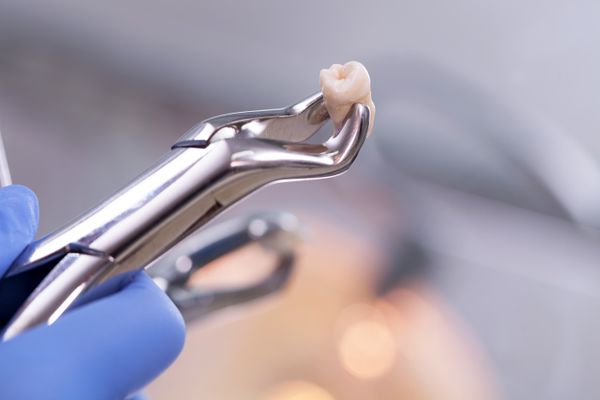
Your comfort and safety are our highest priorities during any dental procedure, especially an extraction. We use a local anesthetic to ensure the area around the tooth is completely numb, so you should not feel any pain during the removal. For those who feel anxious or have dental phobia, we can discuss various sedation dentistry options, such as nitrous oxide or oral sedation, to help you relax throughout your visit. Our clinic also strictly follows all provincial sterilization and safety protocols to maintain a clean and secure environment for every patient, giving you peace of mind.

Aftercare and Healing
Proper aftercare is important for a smooth recovery following a tooth extraction. For the first few days, you might experience some mild swelling or discomfort, which can often be managed with over-the-counter pain relief and by applying a cold compress to the outside of your cheek. We recommend sticking to soft foods and avoiding strenuous activity, as well as refraining from smoking or using straws, which can dislodge the blood clot. Gentle oral hygiene around the extraction site is also important to prevent infection. Our team will provide you with detailed, personalized instructions to guide you through your healing process and answer any questions you may have about your recovery.
Frequently Asked Questions
Is tooth extraction painful?
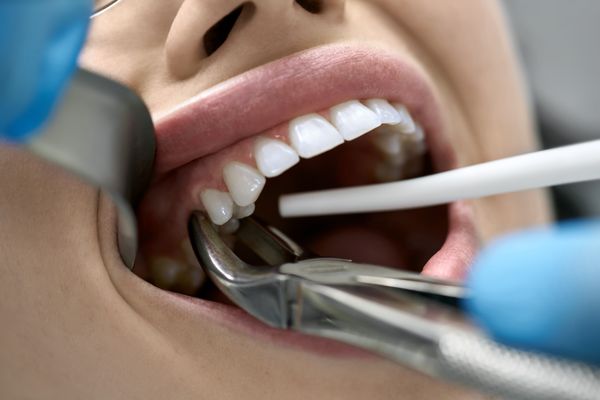
We use local anesthetic to completely numb the area, so you should not feel pain during the extraction itself. We also offer sedation options to help you feel more relaxed and comfortable throughout your visit.
How long does recovery take after a tooth extraction?
Initial healing typically takes a few days, with most discomfort subsiding within the first 24 to 48 hours. Complete healing of the socket can take several weeks. We will provide you with specific aftercare instructions to support your recovery.
What should I eat after an extraction?
For the first few days, it's best to stick to soft foods like yogurt, soup, mashed potatoes, and smoothies. Avoid crunchy, chewy, or very hot foods that could irritate the extraction site. Gradually reintroduce other foods as you feel comfortable.
Can a missing tooth be replaced?
Yes, there are several options available to replace a missing tooth, such as dental implants, bridges, or dentures. We can discuss these options with you during your consultation to help you find the best solution for your smile and oral health needs.