
Understanding Dental Specialties
Sometimes, your dental needs go beyond general care. We help you understand various dental specialties and connect you with the right advanced care to support your overall oral health journey.
Services at a Glance
Endodontics
Oral & Maxillofacial Surgery

Understanding Dental Specialties
A dental specialist is a dentist who has completed additional, rigorous training in a specific area of dentistry after dental school. This advanced education allows them to focus on complex conditions or particular aspects of oral health. While your general dentist provides comprehensive care, they may refer you to a specialist when a specific issue requires a deeper level of expertise or a specialized procedure. This collaborative approach ensures you receive the most appropriate and effective treatment for your unique needs.

Endodontics (Root Canal Therapy)
Endodontics focuses on the soft tissue inside your tooth, known as the pulp. When this pulp becomes infected or inflamed due to deep decay, cracks, or trauma, an endodontist can perform root canal therapy. This procedure carefully removes the damaged pulp, cleans the inside of the tooth, and seals it to relieve pain and save your natural tooth from extraction.

Oral and Maxillofacial Surgery
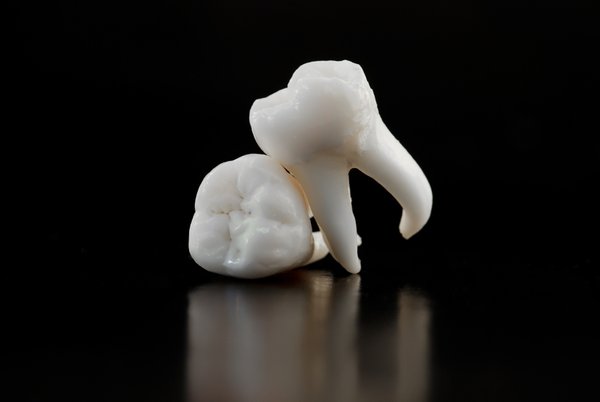
Oral and maxillofacial surgery covers a broad range of procedures related to the mouth, jaw, and facial structures. This specialty addresses conditions from routine tooth extractions, including wisdom teeth removal, to more complex treatments like dental implant placement, corrective jaw surgery, and the treatment of facial trauma or cysts. Oral surgeons are highly trained to manage both the functional and aesthetic aspects of these areas.

Pediatric Dentistry
Pediatric dentistry is dedicated to the unique oral health needs of infants, children, and adolescents. A pediatric dentist provides comprehensive care, focusing on preventive treatments, early detection of issues, and guiding children through their dental development. They create a welcoming and positive environment, helping young patients feel comfortable and building a foundation for a lifetime of good oral hygiene habits.

Orthodontics
Orthodontics focuses on diagnosing, preventing, and treating dental and facial irregularities. This includes correcting misaligned teeth, improper bites, and jaw discrepancies. Orthodontic treatments, such as traditional braces or clear aligners, are available for both children and adults. The goal is to improve both the function of your bite and the aesthetics of your smile, contributing to better overall oral health.

Prosthodontics (Restorative Dentistry)
Prosthodontics focuses on restoring and replacing missing or damaged teeth to improve both function and appearance. A prosthodontist is an expert in complex dental restorations, including crowns, bridges, dentures, and dental implants. They work to rebuild smiles, ensuring that your new restorations look natural, feel comfortable, and function effectively for eating and speaking.
Frequently Asked Questions
What is the difference between a general dentist and a specialist?
A general dentist provides comprehensive primary dental care, including preventive, restorative, and basic cosmetic treatments. A dental specialist has completed additional years of advanced training in a specific area, allowing them to focus on more complex cases within their field, such as root canals, gum disease, or orthodontics.
When might my general dentist refer me to a specialist?
Your general dentist might refer you to a specialist if your condition requires advanced expertise, specialized equipment, or a procedure that falls outside the scope of general dentistry. This ensures you receive the most focused and effective care for your specific needs.
Do I need a referral to see a dental specialist?
While some specialists may accept patients without a referral, it is often beneficial to start with your general dentist. They can assess your condition, provide an initial diagnosis, and recommend the most suitable specialist for your particular situation, ensuring coordinated care.
Are dental specialists covered by my insurance?
Coverage for dental specialists varies depending on your individual dental insurance plan. It is always a good idea to contact your insurance provider directly to understand your specific benefits and coverage details for specialized dental treatments before beginning any care.